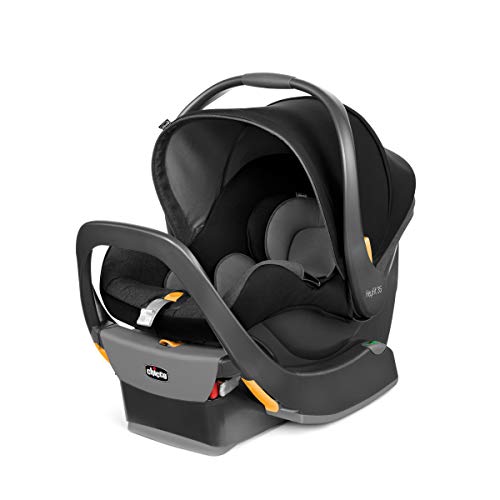
Comprehensive research breakdown and evidence-based guidance on best baby walker for newborns. Read our detailed safety standards review, age milestone recommendations, practical buyer checklists, and maintenance protocols.
1. Official Safety Regulations & Certification Standards
When evaluating gear in the parenting guides category, verifying official third-party safety testing labels is essential to ensure long-term child protection and structural reliability.
Key regulatory frameworks and safety certifications to verify include:
- UK & EU Safety Standards (BSI / EN Regulations): Products certified under European standards (such as EN 71 for toy safety or ECE R129 for car seats) undergo rigorous testing for mechanical stability, impact energy dissipation, and flammability protection.
- US Safety Compliance (CPSC / ASTM): Regulated under the Consumer Product Safety Commission, ensuring strict adherence to lead, heavy metal, phthalate, and structural integrity thresholds.
- Non-Toxic Chemical Testing (GREENGUARD Gold / OEKO-TEX): Verifies that textiles, foams, and plastics are free from harmful volatile organic compounds (VOCs), heavy metals, organohalogens, and toxic chemical flame retardants.
2. Age Milestones and Developmental Growth Stages
Children experience rapid physical and cognitive development during early childhood. Selecting gear aligned with your child’s specific stage prevents safety hazards and supports healthy motor development:
- Infant Phase (0–6 Months): Focus on flat-surface ergonomic support, fragile neck/spine stabilization, and non-irritating, breathable fabrics that prevent overheating.
- Older Infant & Weaning Stage (6–12 Months): Prioritize secure 5-point restraint systems, upright seating ergonomics, and wipe-clean surfaces as physical activity increases.
- Toddler & Preschooler Stage (12–36+ Months): Choose durable framing, multi-position height adjustments, and user-friendly features that foster growing independence while maintaining safety.
3. Step-by-Step Selection & Buying Checklist
Follow this systematic decision checklist before making a purchase in the parenting guides category:
- Verify Dimensions & Vehicle/Room Clearance: Always measure available vehicle back-seat space or nursery floor dimensions before purchase to avoid fit issues.
- Check Maximum Capacity Limits: Adhere strictly to maximum standing height and weight limits specified on product warning labels.
- Evaluate Daily Ergonomics & Usability: Look for tool-free adjustment mechanisms, clear visual lock indicators, and intuitive buckle releases.
- Inspect Maintenance & Cleaning Protocols: Ensure fabric covers are removable and machine-washable on gentle cycles to handle daily messes effortlessly.
4. Feature & Safety Comparison Matrix
5. Common Parent Mistakes & Safety Pitfalls
- Exceeding Recommended Capacity: Continuing to use gear after a child exceeds maximum height/weight limits reduces structural protective margins.
- Purchasing Used Equipment Without Clear History: Avoid second-hand items with unknown crash or stress histories, missing warning labels, or expired use dates.
- Improper Latch or Installation: Always double-check indicator latches (green vs red lock signals) before every journey or use.
6. Frequently Asked Questions (FAQ)
Q: How do I know if this gear is compatible with my vehicle or nursery?
A: Measure your installation space accurately and compare with manufacturer dimension specifications. Check for ISOFIX/LATCH attachment points if applicable.
Q: What cleaning products are safe to use on baby gear?
A: Use mild, non-biological detergent and lukewarm water. Avoid harsh bleach, solvents, or abrasive pads that can degrade fabric coatings or harness webbing strength.
Why Trust Kiddopicks: Our editorial team evaluates products against official UK/EU/US safety standards (CPSC, BSI, ECE), verified manufacturer specifications, and aggregated parent feedback. We operate with complete commercial independence and do not accept payment for reviews.