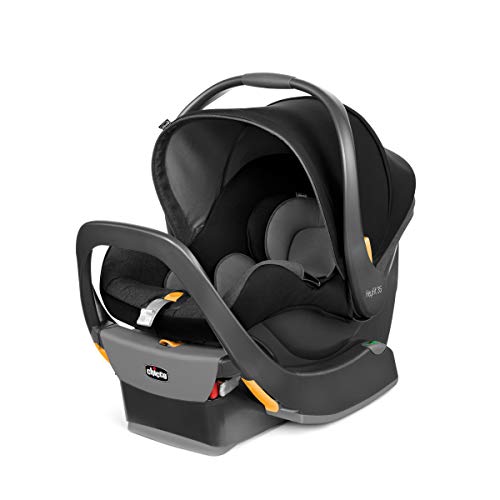
Car seats fail at the moment they matter most, and the failure usually traces back to something that would have taken 90 seconds to catch on a Sunday afternoon.

The numbers are not reassuring. NHTSA estimates that roughly 46 percent of car seats are used incorrectly in ways that reduce protection in a crash. That is not a fringe statistic; it means nearly half the seats on the road right now have a fixable problem.

A monthly check does not require a certification or a special tool. It requires knowing what to look for and making it a habit. Below is the sequence, built around the checks that catch the most common failure points.

Quick Answer: The 7 Checks in Under 10 Minutes

Every month, work through these in order. Skip none of them. The whole process takes 7 to 10 minutes once you have done it twice.

  1. Harness height and tightness (pinch test)
  2. Chest clip position (armpit level, not stomach level)
  3. Seat movement at the belt path (less than 1 inch in any direction)
  4. LATCH or seat belt condition (no twists, fraying, or slack)
  5. Base level indicator (bubble or line within the marked zone)
  6. Shell inspection (cracks, discoloration, missing parts)
  7. Manufacture date and expiry (6 to 10 years depending on brand)

If any check fails, fix it before the next ride, not the next week.

Harness Fit: The Check That Changes Every Few Weeks

Babies and toddlers grow in bursts. A harness that fit your 4-month-old snugly in March may be dangerously loose by May without any noticeable change to the daily routine. This is the check that parents most often defer and most often regret.

Slot height. For rear-facing seats, the harness straps must come through slots at or below shoulder level. For forward-facing seats, straps must thread through slots at or above the shoulders. If you are using a Britax Boulevard or a Graco 4Ever, both seats have multiple harness height positions built into the shell. Check that the current slot still places the strap correctly for your child’s current shoulder height before you run the pinch test.

The pinch test. Buckle your child fully, then tighten the harness until there is no slack across the chest and shoulders. At the shoulder slot, try to pinch the strap webbing between your thumb and index finger. If you can gather any fabric, the harness needs to be tightened further. A harness that passes this test applies force over the stronger bony structures of the body rather than the soft tissue.

Twist check. Run your fingers down the full length of each strap from the buckle to the crotch strap. Any twist in the webbing reduces the harness’s rated strength and can cause the strap to dig into a child’s body in a crash. Untwist before every journey.

The Chicco NextFit and UPPAbaby Mesa each have tool-free harness adjustment systems that make it practical to fine-tune the fit at every ride rather than leaving it loose. If you are on a budget, the Graco Extend2Fit achieves the same result with a slight learning curve on the adjustment mechanism.

Chest Clip Position: The Single Most Common Installation Error

The chest clip (also called the chest buckle or harness retainer clip) must sit at armpit level, flat against the sternum. This is not a comfort preference; the clip is a harness retainer, not a crash load-bearing device. If it sits at the stomach during a frontal impact, it can cause serious internal injury to abdominal organs. If it sits too high, near the throat, it can cause tracheal injury.

Every month, take a photograph of your child buckled in the seat from the side and from the front. If the clip is even 2 inches below the armpit crease, slide it up before the next trip. Most Nuna Pipa and Cybex Aton models make this adjustment easy by design. On older Cosco seats, the clip requires a firm pinch-and-slide that some parents skip because it feels stiff.

A clip that sits low is not a minor issue. Certified Child Passenger Safety Technicians at NHTSA fitting stations see this error on approximately 1 in 3 seats they inspect. It takes 5 seconds to correct.

Installation Tightness: The 1-Inch Rule

Grab the car seat at the belt path, the narrow channel where the vehicle seat belt or LATCH strap threads through the seat, and push and pull it side to side, then front to back. A correctly installed seat moves less than 1 inch in any direction.

More than 1 inch of movement means one of three things:

  • The seat belt or LATCH strap has loosened since the last check (this happens from vibration and temperature changes over weeks of daily use)
  • The vehicle seat cushion has compressed under the base, which is common with heated seats
  • The locking mechanism on the vehicle seat belt was not engaged at installation

LATCH weight limit. LATCH connectors on US vehicles are rated to a combined child-plus-seat weight of 65 lb per NHTSA regulation. That limit is on the vehicle anchors, not the seat itself. A 30-lb child in a Britax Advocate (which weighs 25 lb) puts you right at the limit. Once you approach or exceed 65 lb combined, switch to seat belt installation. Your seat’s manual will specify when to make the transition.

After any large temperature swing (a car left in a hot parking lot for 3 or more hours, for example), recheck tightness. Metal anchors and plastic bases expand and contract at different rates, which can introduce slack that was not there in the morning.

Seat Belt and LATCH Hardware: What Deterioration Looks Like

Pull out the full length of the seat belt from its retractor and inspect it under good light. Look for:

  • Fraying along the edges of the webbing, particularly near the latch plate
  • Twists that prevent the belt from lying flat through the belt path
  • Stiff or sticky retractor that does not fully extend or retract smoothly
  • LATCH strap wear at the hook ends where metal contacts metal under load

Any fraying in the seat belt webbing, even minor, is a vehicle-maintenance issue that your dealership or a certified repair shop should assess before you rely on that belt for a child safety restraint. This is different from normal lint or surface texture; fraying means the structural fibers are compromised.

For LATCH straps on the seat itself, brands like Nuna and UPPAbaby use strap webbing that is easy to inspect. On budget seats where the LATCH strap is tucked under padding, pull the padding aside during your monthly check. Hidden wear is still wear.

Level Indicator: The Angle Matters More Than You Think

Rear-facing seats must be reclined at the angle specified in the manual, typically between 30 and 45 degrees from vertical, depending on the age and size of the child. An infant under 4 months in a seat reclined too far upright can have their head fall forward, compressing the airway. A seat reclined too far back reduces forward-crash protection.

Every infant seat, and most convertible seats, has a built-in level indicator. On the Graco SnugRide 35, it is a bubble level on the side of the seat. On the Chicco KeyFit 35, it is a color-coded zone on the side handle. Check monthly because:

  • Vehicle back seats are often slightly angled, and a pool noodle or rolled towel under the seat base can shift over time
  • Infant seat feet can compress or slide on leather or vinyl upholstery
  • Installing in a different vehicle (a grandparent’s car, a rental) requires re-leveling

For forward-facing seats, the angle range is less critical but the seat should not be tilted backward past the manufacturer’s marked zone, which can reduce head-excursion protection in a frontal crash.

Shell Inspection: Damage You Cannot Feel From the Outside

Cracks in the car seat’s plastic shell are a structural failure, not a cosmetic one. Car seat shells are engineered to absorb and distribute crash forces across their full cross-section. A crack, even a hairline crack, creates a stress concentration point that can cause catastrophic separation at exactly the moment the seat is under load.

During your monthly check, remove the cover if it is removable (most Britax and Graco covers unzip and pull off without tools) and inspect:

  • The underside of the base for any cracking near the belt path slots
  • The side wings of the shell at and above shoulder level
  • The area around each harness slot, where repeated adjustment causes wear
  • Any discoloration (yellowing or whitening of dark plastic can indicate UV degradation of structural polymers)

Sun damage is real. A seat stored in a hot car or near a rear window that concentrates UV light will degrade faster than one kept in an air-conditioned garage. If the plastic feels brittle, chalky, or shows spiderweb cracking, contact the manufacturer directly. Britax, Graco, Chicco, and Nuna all have consumer safety lines that will tell you whether the shell condition you are describing warrants replacement.

Expiry Date: The Check Parents Most Often Skip

Every car seat has an expiry date, molded into the plastic shell or printed on a sticker typically found under the base. This is not a marketing construct. The structural plastic, harness webbing, and metal hardware all degrade over time from heat cycling, UV exposure, and vibration. After the rated service life, the manufacturer cannot guarantee the seat meets its original safety standard.

Common expiry windows by brand as of 2026:

  • Graco: 6 years from manufacture date on most models; 7 years on the 4Ever series
  • Chicco: 6 years from manufacture date
  • Britax: 10 years from manufacture date on most current models
  • Nuna: 8 to 10 years depending on model
  • UPPAbaby: 10 years from manufacture date on the Mesa series

The date to use is the manufacture date, not the purchase date or the date you first installed it. A seat that sat in a warehouse for 2 years before you bought it has already used 2 of its rated years.

If your seat is approaching expiry within 6 months, start planning the replacement now rather than waiting. CPSC has guidance on safe disposal of expired seats to prevent them from being reused: cut the harness straps and write “EXPIRED, DO NOT USE” on the shell before putting it in the trash.

To find current-model seats and compare options, you can browse Graco car seats on Amazon, Britax car seats on Amazon, and Nuna Pipa series on Amazon to check current Amazon prices and availability.

Cons of Monthly Checks: What Does Not Work

Being honest about the limitations matters for parents making real decisions:

  1. Monthly checks do not replace a professional fitting. A certified CPST sees errors that are invisible to an untrained eye, including vehicle-specific anchor routing issues and harness lock-off problems. NHTSA maintains a locator at nhtsa.gov/therightseat. Use it at least once per year per NHTSA’s own recommendation.

  2. Visual shell checks miss internal damage. A seat that has been in a moderate crash can have internal structural damage with no visible exterior cracks. NHTSA’s guidance is clear: when in doubt after any collision, replace the seat.

  3. Checklists build false confidence with unfamiliar seats. If your child is frequently in a grandparent’s, daycare provider’s, or rideshare vehicle, that seat has its own inspection history (or lack thereof). A checklist you do on your seat does not protect your child in another adult’s vehicle.

  4. Climate extremes accelerate degradation faster than a 12-month check catches. In the US Southwest or Southeast, a seat kept in a hot car year-round may degrade meaningfully between monthly checks. In those climates, a bi-monthly visual shell inspection is more appropriate.

Bottom Line: Build the Habit, Then Trust It

The seven checks above cover the failure points that NHTSA and CPSC safety data identify most frequently. None of them requires special equipment. The pinch test, the chest clip position, the 1-inch shake test, and the expiry date together catch the majority of the errors that make car seats dangerous.

Set a recurring monthly reminder tied to something you already do, the first Sunday of each month, the day before the pediatrician appointment, or the day you change the furnace filter. The habit matters more than the specific day.

If you find any check failing and are unsure how to correct it, do not drive until you have resolved it. A CPST fitting station is free, and NHTSA’s locator takes 30 seconds to find the nearest one.

For parents building out a new car seat setup or replacing an expired seat, see our Car Seats & Accessories guides for tested recommendations by age range. For how we evaluate car seats and other baby products, visit our methodology page.