Quick answer: the mistakes that actually matter

Most car seat errors fall into one of three buckets: wrong recline or position for the child’s age and size, harness too loose, or unapproved accessories added to the system. Each of these can reduce a seat’s crash protection significantly. The good news is that every mistake on this list is free to fix today — no new gear required for most of them.

If you take nothing else from this article: run the pinch test on the harness right now, confirm the chest clip is at armpit level, and remove any add-on insert that did not ship inside the seat box.

Harness fit errors: the number-one preventable problem

A 2020 NHTSA observational study found that roughly 59 percent of car seats were misused in at least one way, and harness slack was the most common finding. A loose harness does not hold the child against the seat shell during a crash — instead, the child can move forward up to several inches before the straps engage, increasing head and chest injury risk.

The pinch test: buckle the harness and tighten until you cannot pinch any webbing at the collarbone. Straps should lie flat with no twists. The chest clip goes at armpit level, not on the belly (belly placement can cause abdominal injury) and not at the throat.

Slot height matters too. Rear-facing, harness straps should come from at or below the child’s shoulders. Forward-facing, straps should be at or above. Graco’s SnugRide SnugLock 35 and the Nuna PIPA RX both have multiple harness slot positions — check your manual each time your child has a growth spurt, because the correct slot shifts.

A common mistake with bulky clothing: winter coats add 1 to 3 inches of compressible material between the child and the harness. That slack is taken up in a crash, not before it. The safe workaround is to buckle the child without the coat, then lay a blanket over the front. Brands like UPPAbaby and Britax sell seat-specific fleece bunting bags that fit behind the harness and stay certified.

Installation errors: base angle, LATCH limits, and vehicle compatibility

Installing the seat correctly is where most parents need a second set of eyes. The two most common errors are the wrong recline angle for a rear-facing infant seat and over-relying on LATCH beyond the weight limit.

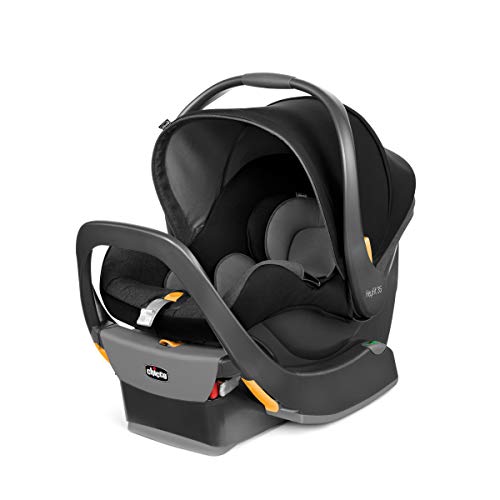
Recline angle: newborns need a recline of roughly 30 to 45 degrees so the head does not fall forward and restrict breathing. Every major brand handles this differently. The Chicco KeyFit 35 has a colored bubble indicator on the side of the base; the Nuna PIPA RX has a level indicator window. If the indicator shows you are too upright, use a pool noodle or a tightly rolled towel under the front of the base — not a towel inside the seat. Check the manual for your specific seat before improvising.

LATCH weight limits: LATCH (Lower Anchors and Tethers for Children) anchors in most US vehicles are rated to a combined child-plus-seat weight of 65 lb, though some vehicles specify lower limits. The Britax Boulevard XT, for example, weighs 25 lb. A 40-lb child in that seat puts the combined weight at 65 lb, right at the threshold. Once you exceed the vehicle’s LATCH limit, use the seat belt for installation instead. The seat belt is not inferior to LATCH — it is equally crash-tested.

Tether strap: forward-facing seats must use the top tether to a rated anchor point. NHTSA testing shows that using the tether reduces head movement in a 30-mph frontal crash by up to 6 inches. Many parents skip the tether because threading it over the seat back is awkward. Do not skip it.

Check for an expiration date: every seat has a manufacture date and an expiration date stamped on a sticker on the plastic shell. Most seats expire 6 to 10 years from manufacture. Plastic degrades over years of temperature cycling inside a car, and older seats may not meet current FMVSS 213 standards after a recall or standard revision. Graco, Britax, Chicco, Nuna, and UPPAbaby all print expiration info directly on the shell label.

Unapproved accessories: what to remove from the seat right now

This is the mistake that catches the most parents off guard because the accessories often look helpful or even safety-focused — padded strap covers, head-hugger inserts, mirror attachments on the back of a headrest.

Head positioners and insert pads: the only inserts certified for use in a specific seat are the ones in the box. They were crash-tested as part of that seat system. A third-party head hugger sold separately (even if marketed for “newborn safety”) has not been tested at the crash forces your seat was designed to withstand. In a crash, it can compress and create a gap, causing the child’s head to travel forward before the harness loads. CPSC notes that accessories not included with a seat are used at the owner’s risk and fall outside the seat’s federal certification.

Aftermarket strap covers and chest clip covers: padded strap covers that add bulk to the webbing can prevent proper harness tightening. Some chest clip covers are too large to engage the clip properly in a crash. If shoulder chafing is a real issue, choose a seat that ships with certified padding: the Chicco KeyFit 35 XT includes padded strap covers in the box; the Britax B-Safe Gen2 FlexFit comes with a certified infant pillow.

Rear-seat mirrors: a mirror clipped to the headrest behind an infant seat is a projectile in a crash. It is not certified, it adds weight above the rear seat, and in a moderate collision it can become airborne. Use a mirror only if it is rated by the vehicle manufacturer for that mount point, which almost none are. Checking on the infant’s position from the front seat is safer done at a full stop.

Sun shades clipped to windows: these are generally lower-risk than inserts, but a shade that drapes over the seat or harness can interfere with harness routing. Stick to shades that mount on the window glass or door frame only.

Seat position and transition timing: rear-facing too briefly

The AAP guidance since 2018 is explicit: children should remain rear-facing until they reach the maximum height or weight limit allowed by the seat manufacturer. That limit on most modern convertible seats is 40 lb rear-facing — far beyond what the average toddler weighs at age 2. Turning a seat forward-facing early because “her legs are touching the seat back” is not a safety reason. Legs touching the back of the seat is normal and does not indicate a fit problem.

The engineering reason rear-facing longer is safer: in a frontal crash (the most common serious crash type) a rear-facing seat spreads crash forces across the back, head, and neck as a single unit. A forward-facing child is held only by the harness at shoulder and hip points.

Seats that support extended rear-facing to at least 40 lb include the Graco Extend2Fit (rear-faces to 50 lb), the Britax Marathon ClickTight (to 40 lb), and the Nuna RAVA (to 50 lb). Each of these has a leg tuck position for longer-legged toddlers that keeps them safely rear-facing past 24 months.

Booster transition timing is a separate common error. Children are ready for a high-back booster only when they have outgrown the forward-facing harness seat by height or weight — not by birthday. The Graco Tranzitions 3-in-1 harnesses to 65 lb, meaning most children will stay harnessed well into kindergarten before graduating to a belt-positioning booster.

Bottom line: three fixes you can do today

Most of the mistakes above require zero purchases to correct. Here is the short list:

  1. Run the pinch test and tighten the harness if you can grab any webbing. Move the chest clip to armpit level.
  2. Remove any insert or accessory that was not in the original box with your seat.
  3. Confirm the rear-facing recline angle using the indicator built into your seat base.

If installation feels uncertain, a free fitting check from a certified CPST is the most effective safety step you can take. NHTSA maintains a locator at nhtsa.gov and most fire stations offer checks by appointment.

For seats that ship with certified safety accessories already included, the Chicco KeyFit 35 XT, the Britax B-Safe Gen2 FlexFit, and the Nuna PIPA RX are worth checking current Amazon pricing for a full picture of what is included. Always verify what is in the box before purchasing add-ons separately — with car seats, more accessories is rarely better.

For a deeper look at top-rated infant seat options from birth through 35 lb, see our car seats buying guide and our testing methodology for how we evaluate child passenger safety products.