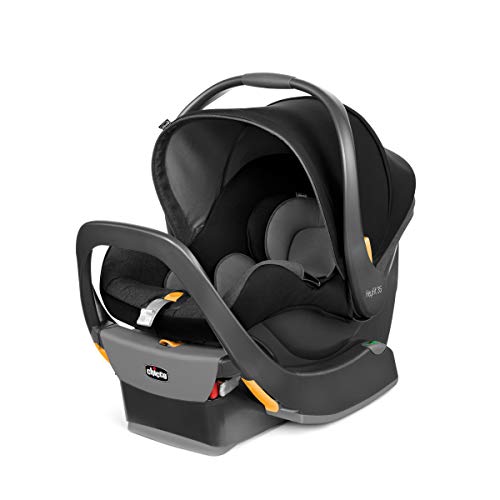
Choosing between the Halo BassiNest and the SNOO Smart Bassinet is one of the most debated nursery decisions among expecting parents in 2026. One costs current pricing and does the basics brilliantly. The other costscurrent pricing (or current pricing to rent) and promises to respond to your baby’s cries automatically. Neither is cheap, and neither is perfect. This comparison cuts through the marketing so you can decide which one actually fits your situation.
Quick Answer: Which Bassinet Should You Buy?
If your budget is current pricing and you want a safe, co-sleeper-style bassinet that swivels next to the bed for easy night nursing, the Halo BassiNest is the clear choice. It weighs approximately 22 lb, fits most bed heights with its adjustable base (24 to 34 inches), and the mesh sides meet current CPSC bassinet standards.
If you have the budget (or access to the rental program), a history of poor infant sleep in the family, a high-needs baby, or a medically fragile newborn, the SNOO is genuinely in a different category. Its responsive soothing engine adjusts white noise and motion in real time, and the locking swaddle keeps babies supine all night, which directly supports AAP back-sleeping guidelines.
Buy the Halo BassiNest if: you want a solid bedside bassinet, you plan to nurse frequently at night, or the SNOO price is a dealbreaker.
Buy (or rent) the SNOO if: you are willing to invest in maximized sleep, you have a colicky or high-needs baby, or you want a second-hand SNOO from the certified refurb program to reduce cost.
Safety: Both Pass CPSC Standards, SNOO Adds Back-Lock
Safe sleep in the newborn period is not optional. The AAP’s 2022 updated safe sleep guidelines (source linked in sources section below) emphasize: back sleeping, firm flat surface, room-sharing without bed-sharing, no soft bedding.
Halo BassiNest safety credentials:
- Meets CPSC 16 CFR Part 1218 mandatory bassinet standard
- Firm, flat sleep surface with breathable mesh walls on three sides
- Removable padded bumper (note: AAP recommends no bumpers; Halo’s bumper is more of a fabric skirt than an obstruction)
- 20 lb weight limit; intended for non-mobile infants only
- No active CPSC recall as of June 2026 (verified via cpsc.gov/Recalls)
SNOO safety credentials:
- Also meets CPSC 16 CFR Part 1218
- Proprietary SNOO Sack swaddle clips to the bassinet, preventing the baby from rolling to stomach or side
- 25 lb weight limit
- Happiest Baby’s internal peer-reviewed data (published in the Journal of Clinical Sleep Medicine) showed a significant reduction in supine sleep departures compared to unassisted sleep
- No active CPSC recall as of June 2026
The SNOO’s locking swaddle is the single biggest safety differentiator. It physically prevents rolling, which is the primary risk factor the AAP cites for supine-sleep departure. If keeping your baby on their back all night — without relying solely on caregiver vigilance at 3 a.m. — matters to you, the SNOO addresses that specifically.
Caveat: no device replaces full AAP safe-sleep practice. Room-sharing, no soft bedding, no smoke exposure, and breastfeeding when possible are all independent protective factors that no bassinet can replicate.
Soothing Technology: SNOO Is in a Different Class
The Halo BassiNest Swivel offers a small built-in soother with five soothing sounds and a timer, plus a 2-speed vibration feature on some models. That is a useful convenience, not a technology platform.
The SNOO is a responsive soothing system:
- Baseline: continuous gentle rocking (center position) plus white noise at a steady volume calibrated to hospital nursery levels (approximately 65-70 dB at the mattress)
- Cry response: built-in microphone detects infant fussing; the SNOO auto-escalates through 4 motion levels and 4 sound levels in response
- Limiter: if the baby escalates past level 4 for more than 3 minutes, the SNOO stops and alerts the parent app — it will not rock indefinitely and mask a genuine need
- SNOO app: gives you a sleep log, REM/wake breakdown (estimated), and lets you lock a soothing level or enable weaning mode as baby approaches the 4-6 month transition
Independent parent-reported data (including a 2020 randomized trial by the product’s own researchers) showed babies in the SNOO slept an average of 1-2 additional hours per night in the first months. The SNOO does not eliminate night wakes; it reduces the time to re-settle for many babies.
The Halo BassiNest does not attempt anything like this. It is a sleeping surface with a passive vibration option. If your baby is a relatively easy settler and your goal is just a safe, close sleep space, the Halo’s simplicity is a feature, not a gap.
Setup, Size, and Everyday Use: Halo Wins on Simplicity
Halo BassiNest:
- Assembly time: approximately 15 minutes with one adult
- Base adjusts from 24 to 34 inches to fit most adult bed heights; the swivel arm rotates 360 degrees so the sleeping surface rotates right to your bedside
- The side wall lowers with one hand for lifting baby in and out without getting out of bed — a real advantage for C-section recovery or post-birth mobility limits
- Footprint: approximately 22 inches x 33 inches
- Comes with a fitted sheet and mattress pad
SNOO:
- Assembly time: approximately 20-25 minutes
- Does NOT swivel or adjust for bed height — it sits on the floor next to the bed at a fixed height of approximately 33.5 inches
- The fixed height means it may not align with your mattress top; many parents use it as a standalone floor unit rather than a true co-sleeper
- Footprint: approximately 22 inches x 39 inches (slightly longer due to motor housing)
- Requires the SNOO Sack (included); replacement sacks costcurrent pricing each
If night nursing is the priority — particularly with C-section recovery where getting out of bed is painful — the Halo’s swivel wall access is meaningfully better than the SNOO’s design. Many SNOO parents report picking the baby up from a standing position and returning them when settled, which reduces some of the SNOO’s convenience advantage.
Price and Value: Rental Changes the Equation
| Halo BassiNest Swivel Plus | SNOO Smart Bassinet | |
|---|---|---|
| Retail price | Check current Amazon price | Check current Amazon price |
| Rental option | No | Yes, current pricing |
| Resale value | Moderate | High (SNOO holds value well) |
| Accessories cost | Low | SNOO Sacks add up (current pricing each) |
| Usable duration | Birth to 20 lb or mobility | Birth to 25 lb or 6 months |
The SNOO’s rental program changes the math entirely for families who only want it for the first 4-6 months. Atcurrent pricing for 5 months, your total cost iscurrent pricing which is significantly less thancurrent pricing. Certified refurbished SNOO units also appear on Amazon and through Happiest Baby’s own site and cost considerably less than new.
The Halo BassiNest resells forcurrent pricing depending on condition, so net cost after resale is closer tocurrent pricing for most buyers.
Cons of the SNOO:
- Full purchase price is a significant investment for a product used for 4-6 months maximum
- Fixed height and no swivel wall make nighttime access harder than the Halo for parents with mobility limitations post-birth
- Dependency concern: some babies resist transitioning out of the SNOO at 5-6 months because they are accustomed to constant motion; Happiest Baby’s “weaning mode” addresses this but it is a real transition
- The app ecosystem requires a smartphone and WiFi — add-on friction for sleep-deprived parents who just want to press a button
Cons of the Halo BassiNest:
- Passive soother only; no cry response or adaptive soothing
- 20 lb weight limit is lower than SNOO’s 25 lb
- Vibration feature is underwhelming on its own for high-needs infants
- Swivel mechanism requires the bed to be at the right height; very low platform beds or very high beds may not work with the standard base
Bottom Line: Buy the Halo, Rent the SNOO
For most families, the decision comes down to this: the Halo BassiNest is the right default. It is safe, well-designed, parent-friendly for nighttime access, and costs a fraction of what a bassinet “should” cost for a product used only 5-6 months. Check the current price for the Halo BassiNest on Amazon.
The SNOO earns its reputation, but the full purchase price is hard to justify unless you have a high-needs baby, a specific reason to prioritize hands-free soothing (twins, single parent, post-surgical recovery), or strong family history of infant sleep difficulties. For those families, even thecurrent pricing rental cost pays for itself in the sleep it returns. Check the current price for the SNOO Smart Bassinet on Amazon.
Both products meet CPSC standards. Both have no active recalls. The difference is entirely in the soothing technology, price, and bedside usability. Choose based on your specific situation, not the loudest opinion in your parent group.
For more on setting up a safe sleep environment, see the AAP safe sleep guidelines and the CPSC bassinet safety standard. A pediatrician can also help you evaluate specific sleep challenges with your newborn.