Quick answer: what a budget nursery actually needs
A safe, functional nursery for a newborn does not require acurrent pricing convertible crib or acurrent pricing glider. The non-negotiable list is short: a firm, flat sleep surface that meets CPSC crib standards, a fitted sheet that fits snugly with no excess fabric, and a feeding station. Everything else is optional in the first weeks.
The average first-time parent spends betweencurrent pricing andcurrent pricing on nursery setup in the US. With a focused approach, you can build a safe, comfortable space forcurrent pricing tocurrent pricing and add pieces gradually as you learn what your baby actually needs.
One rule applies to every item in this guide: check the CPSC recall database before buying any sleep product, feeding tool, or baby seat. Recalled products can still appear on resale marketplaces. Spending five minutes on a recall check costs nothing and matters a great deal.
Sleep setup: where to spend and where to save
Sleep products carry the highest YMYL weight in any nursery. The AAP’s safe sleep guidelines are clear: babies should sleep alone, on their back, on a firm flat surface, in a space free of soft objects. No inclined sleepers. No crib bumpers. No pillows.
What to buy new (never used or unverified):
The Graco Pack ‘n Play Playard is one of the most practical budget sleep solutions available. It includes a bassinet insert for the first few months (typically appropriate up to around 15 lb or when the baby begins pushing up), then converts to a full playard. Street price sits current pricing tocurrent pricing depending on model. It takes up about 29.5 inches by 41 inches of floor space, which makes it workable even in smaller bedrooms.
If you prefer a standalone crib, the Delta Children Emery 4-in-1 and the IKEA SUNDVIK are both CPSC-compliant and priced current pricing. Slat spacing on compliant cribs is no more than 2.375 inches (roughly the width of a standard soda can), per 16 CFR 1220. Verify this on any used crib before accepting it.
Mattress: Do not cut corners here. A crib mattress must be firm enough that it does not indent more than about 1 inch under your palm. The Newton Wovenaire Baby Crib Mattress and the Sealy Posturepedic Crib Mattress both meet this standard, with the Sealy typically available forcurrent pricing tocurrent pricing. The mattress must fit the crib with no gap larger than two fingers between the mattress edge and crib wall.
What to skip: Inclined sleep products (recalled by CPSC en masse since 2019), padded crib bumpers, dock-a-tot-style loungers used inside a crib, and any bassinet with a soft or mesh inclined floor.
Feeding station: Medela, Philips, and what you can delay
The feeding station is where new parents often over-invest before knowing how they will feed their baby.
If breastfeeding: A breast pump is the one item worth researching before birth. The Medela Pump In Style and the Philips Avent Double Electric Breast Pump are both widely used, with the Medela typically pulling around 250 to 300 mmHg of suction on max setting. Many US insurance plans cover a pump fully or partially under the ACA; check your plan before purchasing. If you buy out of pocket, the Medela Harmony manual pump runs current pricing and covers occasional pumping without thecurrent pricing tocurrent pricing investment in an electric model.
A nursing pillow helps with positioning for both breastfed and bottle-fed babies. The Boppy Nursing Pillow (current pricing tocurrent pricing) is the category staple. Note: the Boppy is a nursing aid only, not a sleep surface. The CPSC recalled certain Boppy Newborn Lounger models in 2021 for infant fatality risk when used unsupervised. Always check cpsc.gov/Recalls for current status of any model you are considering.
Bottles: Start with 4 to 6 bottles. The Philips Avent Natural and Chicco NaturalFit are both reasonably priced (current pricing tocurrent pricing per bottle) and compatible with a wide range of nipple flow rates. Buy slow-flow nipples (typically labeled “0m+” or “1”) for newborns. You do not need a bottle warmer on day one.
What to delay: An electric bottle sterilizer, a formula dispenser, and a dedicated bottle warmer can all wait until you know your feeding routine. A pot of boiling water sterilizes just as effectively as acurrent pricing electric unit.
Furniture and storage: what earns its floor space
Nursery furniture is where marketing pressure peaks and budgets most often blow up. The reality: a newborn needs a sleep surface and a place to be changed. A dedicated dresser, a glider, and a wardrobe are all additions you can phase in.
Changing area: A waterproof changing pad (the Keekaroo Peanut Changer at current pricing or a basic contoured foam pad atcurrent pricing) placed on top of a sturdy dresser works as well as a dedicated changing table. This savescurrent pricing tocurrent pricing and keeps the dresser useful past the diaper years. The CPSC recommends always keeping one hand on the baby during changes and never leaving a child unattended on an elevated surface. Straps on changing pads add a secondary safeguard but do not replace active supervision.
Glider or rocking chair: A comfortable seat matters more than most parents expect. Night feeds can run 20 to 40 minutes per session, multiple times a night. A decent secondhand glider from Facebook Marketplace or a local consignment store typically runscurrent pricing tocurrent pricing and works just as well as a newcurrent pricing Pottery Barn model. Inspect for wobble, check that the mechanism moves smoothly, and clean upholstery before use.
Dresser/storage: IKEA HEMNES and IKEA SUNDVIK dressers both work as combined storage and changing station bases. The HEMNES 6-drawer runs current pricing and is deep enough to anchor a changing pad securely. Anchor ALL furniture to the wall, regardless of price point. CPSC data shows furniture tip-overs injure roughly 22,500 children under 14 each year in the US.
What the Stokke Tripp Trapp and UPPAbaby do well (and when to skip them at first): The Stokke Tripp Trapp high chair (current pricing tocurrent pricing) lasts from around 6 months through adulthood with seat adjustments, which is genuinely good long-term value. But you do not need a high chair until around 4 to 6 months when solid foods begin. Buy it at the 4-month mark when you have a clearer picture of your budget. Similarly, a UPPAbaby stroller is a quality product, but a Graco Modes or Chicco Bravo stroller in thecurrent pricing tocurrent pricing range does the same job for the first 2 to 3 years.
Lighting, temperature, and ambient setup: practical minimums
White noise: Consistent ambient noise helps many infants sleep through household sounds. The LectroFan Classic and the Marpac Dohm use actual fan or fan-modeled mechanical noise rather than recordings on loop, which means no jarring restarts. Both run current pricing tocurrent pricing. If budget is tight, a phone on airplane mode running a free white noise app works in the short term.
Lighting: A dimmable nightlight allows nighttime feeds without fully waking the parent or baby. The VAVA Night Light and the Hatch Rest (current pricing tocurrent pricing) both have dim red-mode settings. Avoid bright overhead lights during night feeds. The key specification: look for a lux output under 10 on the lowest setting.
Room temperature: The AAP recommends keeping a baby’s room between 68 and 72 degrees Fahrenheit (20 to 22 Celsius). A basic thermometer costscurrent pricing tocurrent pricing. If the room runs warm, a simple fan directed at the wall (not the baby directly) improves air circulation. Overheating is a known risk factor in SUID data from the CDC.
What to skip entirely: wearable baby monitors with “breathing sensor” features marketed to reduce SIDS anxiety have not been shown to prevent SIDS or reduce infant mortality per AAP guidance, and several models have faced CPSC scrutiny. Spend thatcurrent pricing on a reliable video monitor with a good night-vision range instead. The Infant Optics DXR-8 Pro and the Eufy SpaceView are both solid and costcurrent pricing tocurrent pricing.
Bottom line: a prioritized spending order
Build your nursery in this order and you will avoid overspending on things that do not matter in the first weeks while covering what actually does.
Week 1 purchases (before birth):
– Crib or Pack ‘n Play with bassinet insert:current pricing tocurrent pricing
– Firm crib mattress with fitted sheet:current pricing tocurrent pricing
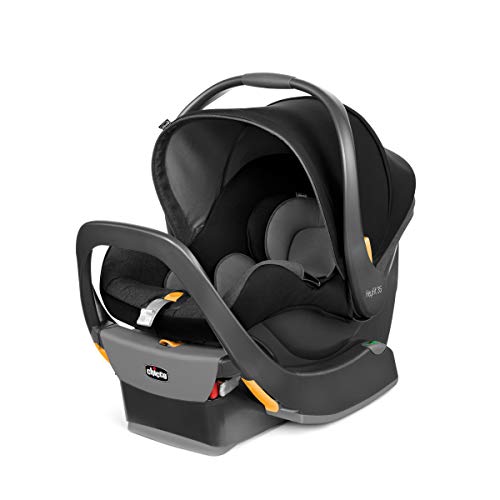
– Car seat (required for hospital discharge):current pricing tocurrent pricing for an infant seat; Chicco KeyFit 35 and Graco SnugRide SnugFit 35 both receive strong NHTSA ease-of-use ratings
– Waterproof changing pad:current pricing tocurrent pricing to 8 onesies and sleepers in newborn and 0-3 month sizes
First month additions (buy as needed):
– Nursing pillow:current pricing tocurrent pricing
– Bottles (4 to 6):current pricing tocurrent pricing
– White noise machine:current pricing tocurrent pricing
– Nightlight:current pricing tocurrent pricing
– Thermometer (room):current pricing tocurrent pricing
Delay until confirmed need (4 months or later):
– High chair (Stokke Tripp Trapp, Chicco Polly, or budget Graco at 4 to 6 months)
– Bouncer or swing
– Stroller upgrade if current solution is insufficient
– Storage furniture beyond the first dresser
Total for the first-week setup comes to current pricing tocurrent pricing depending on whether you opt for a standard crib or a Pack ‘n Play, and whether the car seat is covered by insurance or gifted.
The items that never justify the price premium in the newborn stage: designer crib mobiles, custom nursery art, themed furniture sets, and any sleep product that positions the baby at an angle. A safe, plain, well-ventilated room with a firm flat sleep surface is what your baby needs on night one. Everything else is for the parents, and that is fine too, but it can wait.
For car seat selection specific to your baby’s weight and height, see our nursery buying guides and our methodology for how we evaluate infant safety products.