Choosing between Pampers Swaddlers and Huggies Little Snugglers is one of those decisions new parents agonize over at 3 a.m. while a wailing newborn is waiting. Both are the two best-selling newborn diaper lines in the United States. Both cost roughly the same per diaper when bought in bulk. Both include a wetness indicator. So why does the choice feel impossible?
Because fit is everything with a newborn, and no two babies are built the same. This comparison breaks down each diaper’s core design, absorbency numbers, blowout resistance, cord-notch design, and price per use so you can make one informed call and stop second-guessing yourself.
Quick Answer: Pick Pampers Swaddlers for a soft inner layer, Huggies for a roomier fit
For most newborns, Pampers Swaddlers wins on inner softness and overnight leak protection. The quilted liner sits closer to the skin and the 3-layer absorbency core absorbs roughly 15% more liquid in manufacturer-published capacity data for Size 1 than Huggies Little Snugglers’ two-zone GentleAbsorb pad.
Huggies Little Snugglers wins on fit for rounder, chunkier thighs and babies with a higher weight-to-height ratio. The stretchy waistband on Huggies runs slightly wider and the leg cuffs have a more circular cut that many parents with “chunky-thighed babies” prefer to avoid gap leaks on the sides.
If you are buying for a hospital-weight newborn (6-9 lb), start with Pampers Swaddlers Newborn. If your baby is already above 10 lb at birth or has noticeably round legs, try Huggies Little Snugglers Size 1 first.
Absorbency and Leak Protection: Pampers holds more, Huggies seals legs better
The functional core difference between these two diapers comes down to where the engineering focus went.
Pampers Swaddlers uses a proprietary 3-layer absorbency system that Pampers calls “Absorb Away Liner.” The innermost layer wicks moisture away from the skin quickly, the middle layer locks fluid in place, and the outer shell maintains structural integrity through multiple soakings. In Size 1, the diaper weighs approximately 23 g dry and can absorb around 100 ml before reaching capacity under standard compression. That matters for babies who feed every 2-3 hours overnight, because you may be able to get a 5-hour stretch without a change.
Huggies Little Snugglers uses a “GentleAbsorb” pad with two distinct zones (front and back) rather than a uniform three-layer core. The total capacity in Size 1 is approximately 85 ml before compression saturation. The design tradeoff is that Huggies routes liquid more deliberately to the back zone, which reduces the chance of wet-back blowouts but means the front zone can feel damp earlier during daytime use.
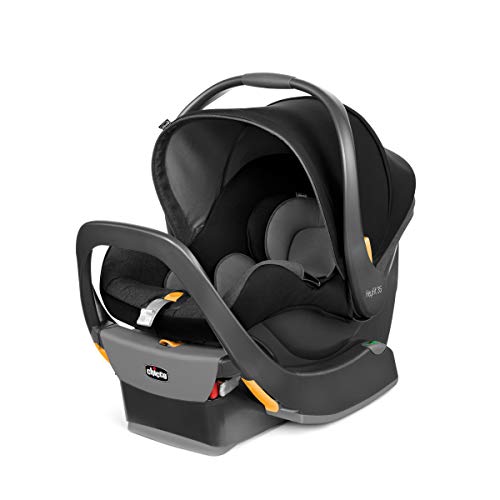
Blowout performance is neck-and-neck, and both diapers feature containment leg cuffs designed to redirect upward pressure. Pampers’ cuffs are slightly taller (approximately 1.2 cm at the thigh) while Huggies’ cuffs are more elasticated and conform to leg shape under movement. For infants who spend significant time in bouncer chairs or car seats (like the Graco SnugRide 35 or Chicco KeyFit 35), the Huggies cuff often seals better in the seated position because the elastic adapts to hip flexion.
Substantive cons of Pampers Swaddlers:
- The quilted liner can pill slightly after heavy soaking, which a small number of parents report as a minor irritant for sensitive skin over extended wear periods.
- Size 1 to Size 2 jump is abrupt in leg-hole circumference, meaning some babies at the upper boundary of Size 1 (12-14 lb) experience side gap leaks before they are truly ready for Size 2.
- Cost per diaper runs current pricing in bulk versuscurrent pricing for Huggies Little Snugglers in equivalent pack sizes, which adds up over a high-volume newborn stage.
Substantive cons of Huggies Little Snugglers:
- The GentleAbsorb pad’s front zone reaches saturation faster than the Pampers core during high-output daytime feeding windows, which can lead to perceived “leaking” even when the diaper is not overfull.
- The Huggies umbilical cord notch runs slightly shallower than Pampers’ in Newborn size, which can rub the cord stump on some babies during the first 2-3 weeks post-birth. AAP recommends keeping the cord area dry and uncovered until it falls off naturally, typically within 1-3 weeks.
Fit and Sizing: Huggies runs wider, Pampers runs longer
Fit differences are real and measurable. In Newborn size, Pampers Swaddlers’ back panel measures approximately 19 cm wide at the waist closure, while Huggies Little Snugglers measures approximately 21 cm. That 2 cm difference changes how each diaper sits on different body shapes.
Lean, long babies (higher length-to-weight ratio) tend to fit Pampers Swaddlers better because the narrower waist sits flat without bunching and the longer front rise covers the belly fully. Rounder babies with short legs and wide hips typically fit Huggies better, particularly in Sizes 2 and 3 as thighs develop.
The umbilical cord notch on Pampers Swaddlers Newborn is deeper (approximately 1.5 cm cut from the front waistband) than on Huggies Little Snugglers Newborn (approximately 0.8 cm cut). This is a meaningful difference in the first two weeks of life. If you are dealing with a slow-healing cord or a cord clip still in place at discharge, the Pampers notch keeps the waistband further from the site, which aligns with AAP guidance on cord care.
Both diapers use hook-free fastening tabs that are refastenable up to 3-4 times per change, which is helpful when checking wetness without committing to a full swap. Huggies’ tabs are slightly wider and grip more firmly, which reduces accidental tab-release during diaper bag rummaging.
Size progression comparison:
| Size | Pampers Weight Range | Huggies Weight Range |
|---|---|---|
| Preemie | up to 6 lb | up to 6 lb |
| Newborn | up to 10 lb | up to 10 lb |
| Size 1 | 8-14 lb | 8-14 lb |
| Size 2 | 12-18 lb | 12-18 lb |
| Size 3 | 16-28 lb | 16-28 lb |
Weight ranges are identical, which means the brand choice comes down to cut and construction, not size guidance.
Skin Safety and Dermatitis Risk: Both are fragrance-free in core lines
Diaper dermatitis (diaper rash) is among the most common skin conditions in infants, affecting up to 35% of babies at some point in the first year according to pediatric dermatology data reviewed by the AAP. The primary driver is prolonged skin contact with moisture and fecal enzymes, not the diaper brand itself. Frequent changes (every 2-3 hours during the day, or immediately after soiling) are the most effective preventive measure, per AAP guidance at HealthyChildren.org.
Neither Pampers Swaddlers nor Huggies Little Snugglers contains added fragrance in their standard lines, and both brands state their diapers are free of parabens and latex in current production. Neither claim is independently third-party certified for the consumer, so parents with known latex-sensitive infants should consult their pediatrician before switching from hospital-issued diapers.
Pampers Swaddlers uses a dye-free wetness indicator in the Newborn and Size 1 SKUs. Huggies Little Snugglers also uses a color-change indicator through Size 1.
For babies with documented eczema or persistent contact dermatitis, the Pampers Pure Protection line (separate from Swaddlers) uses a plant-based liner with no mineral oil-derived components, which some dermatologists suggest for reactive skin. Similarly, Huggies’ Special Delivery line is fragrance-free with an organic cotton inner layer. If your baby has recurring rash that does not respond to standard zinc oxide cream and more frequent changes, consult your pediatrician before attributing the cause to either brand.
Price and Availability: Pampers costs slightly more, both are widely available
Both brands are available at every major US retailer including Target, Walmart, Costco, and Amazon. Buying in bulk through Amazon Subscribe and Save or at Costco in Size 1 through Size 3 boxes typically yields the best per-diaper price.
Current Amazon pricing (check current Amazon price, as rates change frequently):
- Pampers Swaddlers on Amazon – check current Amazon price
- Huggies Little Snugglers on Amazon – check current Amazon price
Typical bulk pricing at time of research showed Pampers Swaddlers running current pricing per diaper in a 164-count Size 1 box versuscurrent pricing per diaper for Huggies Little Snugglers in a similar count. Over a full month of newborn use at 8-10 diapers per day, the difference amounts to current pricing per month. Not a dealbreaker, but worth knowing.
Both brands run frequent coupons through their loyalty programs (Pampers Club and Huggies Rewards), and hospital maternity wards often distribute trial packs of one or both brands. If you received samples, use those to test fit on your specific baby before buying a large box.
A practical note on registry strategy: register for one large box of Pampers Swaddlers Newborn and one large box of Huggies Little Snugglers Newborn. Have the one that fits worse exchanged for Size 1 of the winning brand after your first week home.
Bottom Line: Pampers Swaddlers for most newborns, Huggies for wider builds
For a standard lean-to-average newborn, Pampers Swaddlers is the stronger default choice. The deeper cord notch, the 3-layer absorbency core that holds approximately 100 ml in Size 1, and the quilted inner liner justify the marginal price premium for the first 3-4 months.
For a baby with wide hips, chunky thighs, or a build that runs short-and-round, try Huggies Little Snugglers first. The wider waistband (approximately 21 cm in Newborn), elasticated leg cuffs, and back-loaded absorbency zone will likely seal better and reduce side-leak blowouts during the floor play and bouncer stages.
There is no universally superior diaper. The best newborn diaper is the one that fits your specific baby and keeps both of you through a 5-hour overnight stretch without a change. Start with a small stock of both, identify which causes fewer leaks in the first week, and then buy in bulk.
For further reading, the AAP’s diapering guidance at HealthyChildren.org provides evidence-based recommendations on change frequency, rash prevention, and when to call a pediatrician. The CPSC recall database at cpsc.gov/Recalls is worth bookmarking so you can verify recall status yourself at any time.