Quick answer: what new parents need to know first
A stroller is one of the first big pieces of baby gear you will buy, and it will be used hundreds of times before your child outgrows it. Most strollers on the market today meet the mandatory CPSC safety standard 16 CFR 1227, which covers structural integrity, harness strength, brake performance, and folding mechanisms. Meeting that standard is the floor, not the ceiling.
The three most common stroller injuries tracked by the CPSC are tip-overs from overloaded handles, harness failures when buckles are left unfastened, and finger entrapments in folding hinges. All three are preventable with a short pre-walk routine.
This guide covers the five areas where new parents most often get tripped up: choosing the right stroller type for your baby’s age, using the harness correctly, avoiding accessory hazards, checking for recalls, and knowing when to retire a stroller. Specific brands are called out by name because vague advice helps no one.
Age fit: which stroller type is right for a newborn versus a toddler
The most important safety rule for the 0-6 month window is flat or near-flat recline. A newborn’s airway can partially obstruct if the head falls forward in a semi-upright seat. The AAP advises against prolonged time in any sitting device that holds a baby at more than a 30-degree incline before head control is established.
Full-size prams and lay-flat strollers (such as the Silver Cross Wave or Bugaboo Cameleon) are designed for newborns from birth because the bassinet keeps the baby horizontal. The Bugaboo Fox 5 bassinet, for example, is approved for overnight sleep by Bugaboo after passing European EN 1888 testing, though you should verify the specific configuration in the manual.
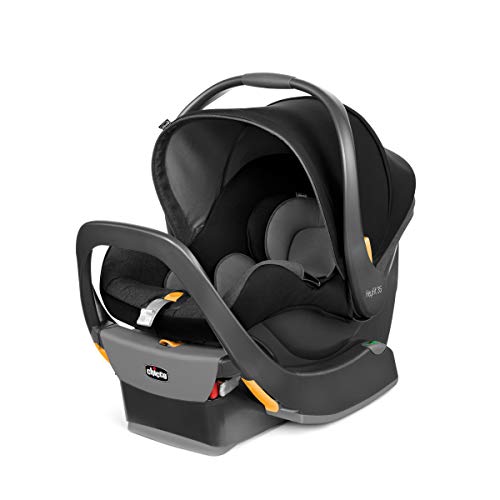
Travel systems pair an infant car seat with a stroller frame. Popular options include the Graco Modes Nest paired with the SnugRide 35, which allows the car seat to click directly onto the frame. This keeps a sleeping newborn horizontal and undisturbed. The car seat bucket, not the stroller seat, provides the infant-safe recline. Once your child exceeds the infant seat’s weight limit (typically 30-35 lb or the shell height limit), transition to the stroller seat in its most reclined position.
Standard upright strollers such as the UPPAbaby Vista V2 or the Nuna Mixx Next should not be used in the upright seat position until around 6 months. Both brands publish a minimum age of 3 months for the stroller seat only when fully reclined, but the safest practice is to wait for consistent head control rather than going by months alone.
Lightweight or umbrella strollers (the Babyzen YOYO 6+ at 13.6 lb, or the Chicco Liteway at 14.5 lb) have a minimum age of 6 months listed by the manufacturer. Using them with younger babies risks inadequate head support.
Jogging strollers such as the BOB Gear Revolution Flex 3.0 or the Thule Urban Glide 2 have a minimum jogging age of 12 months and a minimum riding age of 8 months with the included infant car-seat adapter. The forward-facing fixed front wheel and rigid suspension are designed for running speeds, not newborn heads.
Key numbers to keep in your head:
– Lay-flat pram or bassinet attachment: from birth
– Reclined stroller seat (manufacturer-approved): 3-6 months depending on model
– Upright stroller seat: 6 months or when head control is established
– Jogging: 12 months minimum, and always check the specific model
Harness use: the mistakes parents make every single walk
A five-point harness is standard on virtually every stroller sold in the US. The harness works only when used correctly and fastened every time. According to CPSC injury data, falls from strollers are among the leading causes of stroller-related ER visits for children under 5, and unfastened or improperly adjusted harnesses are a contributing factor in most of those incidents.
Shoulder strap height: Straps should come over the shoulder and lie flat, not cutting into the neck or falling off the shoulder. Many parents set the straps at shoulder level for a newborn and never readjust as the child grows. On models like the Britax B-Lively or the Chicco Bravo Trio, the shoulder strap slots adjust without tools. Check once a month.
Chest clip position: The plastic chest clip should sit at armpit level, not at the belly or at the throat. A clip worn too low allows the child to slide or slump; one worn too high can cause injury in a tip-over. This is the most consistently misused component across every stroller brand.
Crotch strap snugness: The strap between the legs should be snug enough that you cannot pull it more than one finger width away from the body. A loose crotch strap allows a child to submarine (slide forward under the lap belt) in an abrupt stop.
Coat and bundling: A thick winter coat compresses in a crash or sudden stop, creating slack in the harness. CPSC guidance echoes the same principle used for car seats: buckle the child in the harness, then layer a blanket on top rather than putting a puffy coat under the straps.
The parking brake: Every stroller has a brake. Lock it any time you stop on a slope, stop to pick something up off the ground, or take your hands off the handlebar. The Graco FastAction Fold Sport uses a foot-activated brake bar; the Nuna TRIV next uses a linked rear-wheel brake. Neither is automatic. You have to engage it.
One specific accessory hazard in this category: harness covers and strap pads sold by third parties. Soft fabric covers that wrap around harness straps add bulk that can prevent the buckle from seating fully. Use only the covers supplied by the stroller manufacturer or confirmed compatible by the brand.
Stroller accessories: what is safe, what creates new hazards
The accessory market for strollers is enormous. Rain covers, sun shades, snack trays, cup holders, organizers, sleeping bag inserts, mosquito nets, and phone mounts are all widely available on Amazon for popular strollers like the UPPAbaby Cruz V2, the Baby Jogger City Mini GT2, and the Ergobaby Metro+. Not all of them are safe.
Rain covers: A rain cover that fully encloses the stroller seat traps carbon dioxide faster than most parents expect. The CPSC has received incident reports of children showing signs of overheating and CO2 buildup inside rain covers used for longer than 20 minutes with minimal airflow. Use rain covers with ventilation panels, check on your child every few minutes, and never use a rain cover in warm weather.
Sun shades and canopy extenders: Stroller-brand sun shades (UPPAbaby, Bugaboo, Nuna all sell them) are researched not to interfere with the frame or canopy hinges. Universal clip-on extenders from off-brand sellers can block the sightline to the child or snap off and fall into the wheel well. Stick with the brand’s own accessories or well-reviewed aftermarket brands that publish compatibility lists.
Sleeping bag inserts and foot muffs: Inserts like the Ergobaby stroller insert or the Stokke Winter Kit for the Xplory are designed to keep the harness accessible and correctly positioned. Generic sleeping bag inserts can shift the harness buckle position and make it impossible to check strap snugness without removing the insert.
Handlebar organizers and cup holders: Weight on the handlebars raises the stroller’s center of gravity. The City Mini GT2 has a maximum weight limit of 65 lb for the seat; the handlebar has no published weight limit, but Graco and Chicco both warn against hanging any bags on the handle. A 32 oz water bottle plus a phone mount plus a diaper bag clip routinely adds 5-7 lb at the highest point of the frame. That is enough to tip many lightweight strollers if the child leans forward or stands up.
Mosquito nets: Full-coverage mosquito nets that enclose the entire seat create the same CO2 risk as rain covers. Ventilated pop-up nets that attach only to the canopy are a safer option for brief outdoor use. Do not use any net while a child is asleep.
Stroller boards for older siblings: Boards like the Bugaboo Comfort Wheeled Board or the UPPAbaby PiggyBack attach to the frame to let a toddler ride on the back. These are engineered for specific stroller models and add meaningful weight behind the rear axle. Never use a board not certified for your exact stroller model; even a board certified for your brand but for the previous generation frame can destabilize the fold lock.
Recalls and secondhand strollers: what you must check before first use
Buying or accepting a secondhand stroller is common and entirely reasonable. A Bugaboo Cameleon originally retailed current pricing and holds up structurally for years. But secondhand strollers carry one risk a new stroller does not: the previous owner may not have responded to a recall.
How to check for recalls: Go to cpsc.gov/Recalls and search by brand name. Major recall examples from recent years include a 2023 Graco FastAction Jogging Stroller recall for a wheel issue that could cause sudden stops, and a 2019 Bumbleride Indie and Speed recall for a harness webbing issue. A quick search takes under two minutes.
What to look for on a secondhand stroller:
– Frame cracks or welds that appear bent or repaired
– Frayed or cut harness webbing (any fraying is a reason to discard)
– Buckles that do not audibly click and lock
– Missing or non-functional brake
– Wheels that wobble when spun by hand (bearing failure)
– Any frame model listed in a CPSC recall
Parts availability: If the harness buckle is broken, contact the manufacturer before buying. Britax, Graco, UPPAbaby, and Chicco all sell replacement harness components. If the model is discontinued and no parts are available, do not use the stroller.
Age cutoff: Most manufacturers suggest retiring a stroller after 5-7 years. Plastic degrades with UV exposure, and folding hinges wear. An older stroller may pass a visual check but fail under load. If you cannot confirm the stroller’s age, treat it as retired.
Stroller registration: Register your stroller on the manufacturer’s website within the first week of ownership. Registration is how companies reach you for voluntary and mandatory recalls. UPPAbaby, Bugaboo, Nuna, and most major brands have a simple online form.
Bottom line: the pre-walk routine that takes 30 seconds
Every stroller walk should start with the same short check:
- Scan the frame for anything visually different from your last use.
- Press each rear wheel to confirm the brake engages with a click.
- Open the fold and confirm the lock is engaged (most frames have a visible indicator).
- Buckle the harness, check chest clip at armpit level, and verify you cannot pinch excess webbing at the shoulder.
- Confirm the canopy or rain cover is secured and the child’s face is visible.
That is the whole routine. It takes less time than getting the keys.
For new parents choosing between stroller types, the short version is this: for the first 6 months, use a lay-flat bassinet configuration, a compatible infant car-seat adapter, or a fully reclined stroller seat confirmed by the manufacturer for newborn use. Use the five-point harness every single time, regardless of how short the trip. Check the CPSC recall database before your first use. Do not hang bags on the handlebar. And register the stroller with the manufacturer the same week you buy it.
If you are shopping for a new stroller, current well-reviewed options across price points include the UPPAbaby Cruz V2, the Graco FastAction Fold Jogger, and the Chicco Bravo Trio travel system. Check current Amazon pricing before buying; prices change frequently.
For deeper dives on specific stroller categories, see our strollers and prams buying guide and our methodology page for how we evaluate gear for this age range.