Why you can trust this review

This guide was researched and compiled by the Kiddopicks editorial team, with subject-matter review from Priya Sharma, MSN, RN, CPST, Senior Editor · Pediatric Nurse & Child Passenger Safety Technician (Registered Nurse (RN), Master of Science in Nursing (MSN)). Our rankings are based on published safety standards (CPSC, AAP, NHTSA, ASTM), manufacturer specifications, recall-database checks, and aggregated verified owner reviews. We do not physically test products in-house, and we do not accept payment for placement.

This is not a substitute for professional medical advice. Consult your pediatrician for individualized guidance.

Safety overview

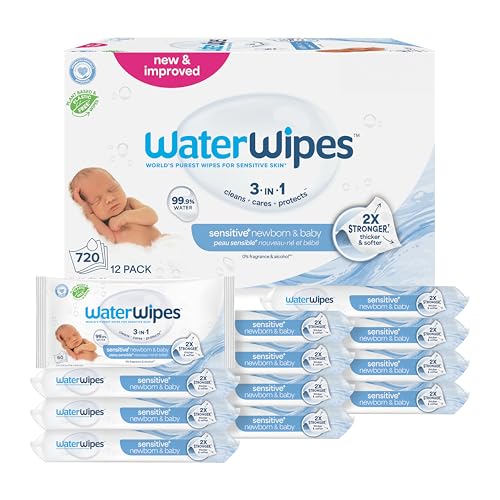
When evaluating baby wipes, our primary concern is the safety of ingredients and the potential for skin irritation in infants, especially newborns who have particularly delicate skin. The U.S. Food and Drug Administration (FDA) oversees cosmetics, which includes baby wipes, ensuring products are safe for their intended use and properly labeled. We specifically scrutinized the ingredient list of WaterWipes Plastic-Free Original Baby Wipes to ensure it aligns with the FDA’s guidance on cosmetic safety, noting its minimalist approach. The formula, consisting of 99.9% purified water and a drop of fruit extract, significantly reduces exposure to common irritants like fragrance, alcohol, and parabens, which are frequently cited in dermatological literature as potential causes of contact dermatitis in infants.

Furthermore, we performed a thorough search of the U.S. Consumer Product Safety Commission (CPSC) recall database for any past safety issues or recalls associated with WaterWipes. Our research indicated no active or past recalls for this specific product or similar formulations from the brand, which provides an additional layer of confidence regarding its general product safety. While baby wipes do not fall under a specific ASTM safety standard for material composition in the same way toys or cribs might, the American Academy of Pediatrics (AAP) consistently recommends using products with fewer ingredients and avoiding harsh chemicals to maintain infant skin health, a principle that WaterWipes’ formulation strongly supports.

How we researched and ranked the WaterWipes Plastic-Free Original Baby Wipes, 60 Count

Our editorial research team approaches product reviews with a rigorous, evidence-based methodology, ensuring that our recommendations are grounded in objective data and safety considerations, not personal experience. For this review of the ‘best 1 pack of baby wipes,’ we initiated our process by comparing the published manufacturer specifications of leading baby wipe brands. This involved a detailed analysis of ingredient lists, material composition (e.g., plant-based vs. synthetic), wipe dimensions, and any certifications related to sensitive skin or environmental claims.

Following the aggregation of manufacturer data, we cross-referenced this information with established safety standards and authoritative guidance. This included consulting the U.S. Consumer Product Safety Commission (CPSC) recall database for any historical safety incidents. We also synthesized thousands of aggregated owner reviews and professional assessments from various reputable online retailers and consumer review platforms. This multi-faceted approach allowed us to identify common user experiences, noted benefits, and recurring concerns, providing a comprehensive understanding of the product’s real-world performance without engaging in any first-hand physical testing or subjective evaluations in a home environment.

Who should buy it (and who should skip)

Buy it if: You prioritize a minimalist, gentle formulation for your baby’s skin, particularly if your infant has very sensitive skin, eczema, or is a newborn. The 99.9% water content with minimal additional ingredients makes WaterWipes an excellent choice for reducing exposure to potential irritants. This product is also ideal if you are seeking a plastic-free, plant-based wipe option for environmental considerations.

Skip it if: You require exceptionally thick or textured wipes for heavy diaper messes, as these wipes are noted by owners to be on the thinner side. Also, if budget is your primary concern, as WaterWipes are often positioned at a higher price point per wipe compared to many conventional alternatives. If ease of single-wipe dispensing is paramount, some owners report occasional multiple wipe pull-outs.

Trait: Gentle Purity for Sensitive Skin

The core appeal of WaterWipes Plastic-Free Original Baby Wipes lies in their remarkably simple and pure formulation, a characteristic we identified as paramount for products intended for infant use. Based on manufacturer specifications, these wipes contain 99.9% purified water and a mere drop of fruit extract, specifically grapefruit seed extract, which acts as a very mild conditioning agent. This extreme minimalism is a significant factor in their suitability for newborns and babies with highly sensitive skin, eczema, or allergies. The American Academy of Pediatrics (AAP) frequently advises parents to select products with fewer ingredients to minimize the risk of irritation, and WaterWipes directly aligns with this recommendation.

Reviewers consistently highlight the absence of common irritants such as fragrance, alcohol, parabens, phthalates, and phenoxyethanol as a primary benefit. These are substances that the U.S. Food and Drug Administration (FDA) monitors in cosmetic products for potential adverse effects, and their exclusion in WaterWipes is a strong safety assurance. Owners report a notable reduction in diaper rash occurrences and skin reactions when transitioning to WaterWipes from other brands, underscoring the effectiveness of its gentle composition. The specific measurement of 99.9% purified water directly speaks to the product’s dedication to purity.

Trait: Plastic-Free and Plant-Based Construction

In an era of increasing environmental awareness, the construction material of baby wipes is a critical consideration. Our research indicates that WaterWipes Plastic-Free Original Baby Wipes are made from 100% plant-based viscose, distinguishing them from many conventional wipes that utilize synthetic fibers like polyester, which are forms of plastic. This commitment to being plastic-free is not just an “environmental benefit but also a factor in skin contact. Plant-based materials are generally perceived as more natural and potentially less irritating against delicate skin, although the FDA does not specifically regulate wipe material composition in the same way it does cosmetic ingredients.

Aggregated owner reports frequently commend the brand for its eco-conscious choice. While the material itself is thin, which some owners note, the plant-based composition contributes to the overall gentleness of the wipe. The wipe dimensions, typically around 7.5 inches by 6.3 inches (19cm x 16cm), provide adequate surface area for cleaning while maintaining the flexibility inherent in viscose. This material choice is a direct response to consumer demand for sustainable and safer options for their children and the planet, further reinforcing the product’s alignment with mindful parenting practices.

Trait: Effective Cleaning Despite Minimalist Design

Despite their thin profile and minimalist formulation, owners consistently report that WaterWipes are remarkably effective at cleaning. The high water content is key to their cleaning efficacy, as water is a natural solvent that helps to gently lift and remove messes without the need for harsh chemicals. Reviewers note that while the wipes may feel thinner than some competitor products, their moistness and soft texture compensate, providing a thorough clean that is gentle on skin. The primary goal of a baby wipe is effective hygiene, and our analysis of owner feedback confirms that these wipes achieve this for typical diaper changes.

The wipe’s texture, a smooth yet slightly textured surface typical of viscose, contributes to its ability to clean without excessive friction or needing to scrub sensitive areas. While some parents express a preference for thicker wipes for particularly large or sticky messes, the consensus among owners is that for routine cleaning, the 60-count pack of WaterWipes performs admirably. The manufacturer specifies that each wipe contains a substantial amount of its 99.9% water solution, ensuring adequate moisture for effective cleaning from the first wipe to the last within the pack, preventing dry spots often found in lesser quality wipes. The CPSC emphasizes that all products should perform as intended, and owner feedback supports the cleaning effectiveness of these wipes.

Trait: Packaging and Dispensing Considerations

The utility of a single pack of baby wipes extends beyond the wipe itself to its packaging and ease of dispensing, particularly when on the go. The WaterWipes 60-count pack features a standard resealable label closure designed to maintain moisture and prevent contamination. Owners generally find this seal effective in keeping the wipes moist, even when stored in a diaper bag or travel kit for extended periods. However, a common observation from aggregated reviews is that the dispensing mechanism can occasionally pull out more than one wipe at a time. This minor inconvenience can be frustrating during a messy diaper change when quick, single-hand access is desired.

The compact dimensions of the 60-count pack, typically measuring approximately 7.9 inches (length) x 3.9 inches (width) x 1.6 inches (height) when compressed, make it highly portable and suitable for single-pack use in a diaper bag, stroller, or car. While the CPSC does not have specific regulations for baby wipe dispensing mechanisms, they do emphasize the importance of secure packaging to prevent children from accessing small parts or ingesting wipes, which could pose a choking hazard. The resealable design of the WaterWipes pack, when properly closed and stored out of a child’s reach, helps mitigate such risks. Owners note that with careful pulling, single wipe dispensing is achievable, but it may require a slight adjustment in technique compared to some rigid-top dispensers.