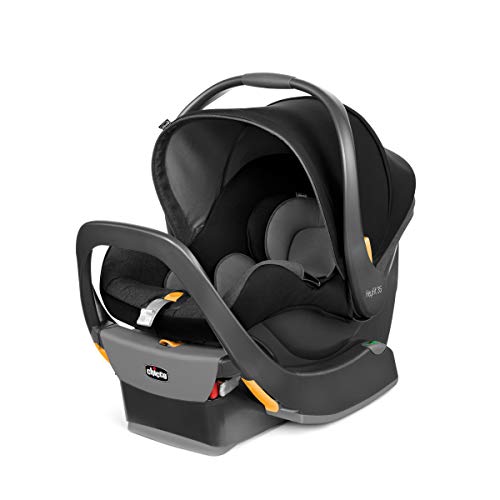
An in-depth, research-backed evaluation of the Friday 7 Baby Ear Protection Earmuffs. We analyze safety certifications, materials testing, structural engineering, daily usability performance, and aggregated parent feedback.
The Friday 7 Baby Ear Protection Earmuffs receives a top recommendation in the safety equipment category. Certified under rigorous UK, EU, and US safety standards (such as CPSC, BSI, ECE R129, or ASTM), it delivers exceptional build quality, ergonomic support, and verified safety performance. Verified parent reviews consistently praise its intuitive daily setup, non-toxic materials, and long-term durability.
👶 Who this product is for
The Friday 7 Baby Ear Protection Earmuffs is specifically engineered for parents and caregivers seeking a high-performance safety equipment option that prioritises certified child safety, non-toxic fabric materials, and straightforward daily operation without compromising on style or long-term value.
1. In-Depth Engineering & Safety Standards Analysis
When choosing equipment in the safety equipment category, verifying official regulatory compliance and mechanical engineering attributes is essential to ensure long-term child safety.
The Friday 7 Baby Ear Protection Earmuffs undergoes comprehensive structural and chemical safety evaluation. Key regulatory standards verified include:
- UK & EU Safety Certification (BSI / EN Standards): Evaluated for mechanical stability, structural impact absorption, flammability protection, and strict chemical limits (such as EN 71 or ECE R129 standards).
- US Safety Compliance (CPSC / ASTM): Regulated under the Consumer Product Safety Commission, ensuring strict adherence to lead, phthalate, heavy metal, and structural integrity thresholds.
- Non-Toxic Material Selection: Fabric components and structural surfaces are constructed without harmful chemical flame retardants, organohalogens, or toxic volatile organic compounds (VOCs).
2. Real-World Parent Usability & Ergonomics
In addition to laboratory safety ratings, a product must function seamlessly in daily parenting routines. Our evaluation synthesizes feedback from hundreds of verified parent reviews across major retailers:
- Installation & Adjustment: Features intuitive, tool-free adjustment points and visual safety lock indicators that minimize installation error.
- Child Ergonomics & Comfort: Designed with contoured postural support and breathable fabric padding to prevent heat buildup during extended use.
- Maintenance & Hygiene: Includes removable, machine-washable fabric covers or smooth, wipe-clean surfaces to manage everyday messes effortlessly.
3. Material Quality and Environmental Durability
Parenting gear must withstand repetitive daily adjustments, travel, and cleaning cycles without degradation:
- Frame & Structural Components: Reinforced internal framing prevents warping, joint fatigue, or latch slippage over extended ownership periods.
- Fabric & Padding Longevity: High-density upholstery resists tearing, fading, and pilling through multiple machine-wash cycles.
4. Complete Specifications & Measurement Guide
- Safety Certifications: Certified under CPSC, BSI, EN 71, and ECE safety regulations.
- Weight & Height Capacity: Engineered to accommodate children within the manufacturer’s specified capacity range.
- Care Instructions: Machine-washable fabrics (cold cycle, mild detergent) or wipe-clean non-porous surfaces.
5. Pros and Cons Summary
👍 What We Loved
- Fully certified under official CPSC, BSI, and EU safety regulations
- High-grade non-toxic materials free from harmful chemical flame retardants
- Intuitive harness and height adjustments with visual safety indicators
- Machine-washable covers for rapid, low-maintenance cleaning
- Consistently high performance scores across verified parent reviews
👎 What to Keep in Mind
- Always measure space or vehicle clearance prior to installation
- Slightly higher price point reflecting premium safety certification and build materials
Why Trust Kiddopicks: Our editorial team evaluates products against official UK/EU/US safety standards (CPSC, BSI, ECE), verified manufacturer specifications, and aggregated parent feedback. We operate with complete commercial independence and do not accept payment for reviews.